
Export Does Not Begin with a Sale: Why Iranian Businesses Need Foundational Work Before Entering Armenia, Türkiye and Dubai
A practical guide to the infrastructure, local presence and market-entry planning Iranian businesses need before exporting to Armenia, Türkiye and Dubai.
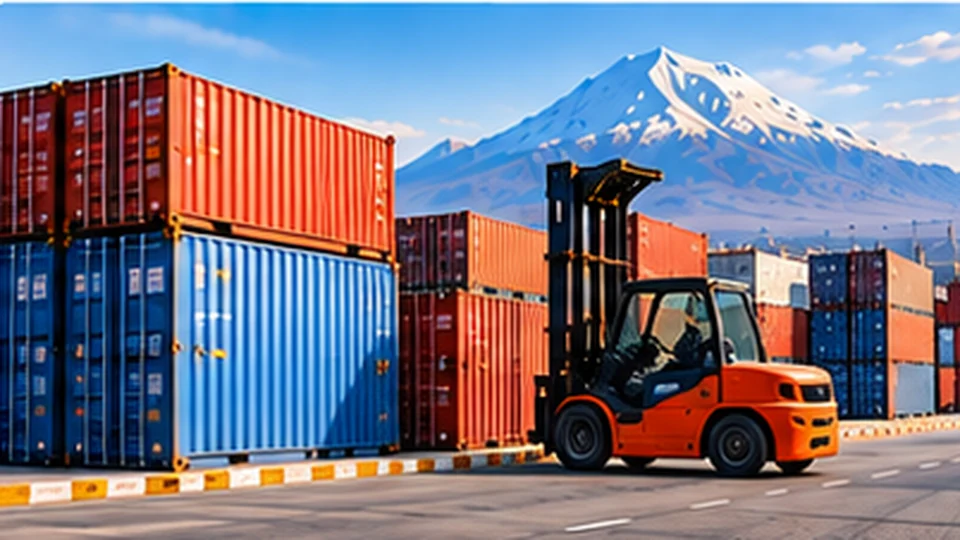
Many Iranian businesses begin exporting by looking for a buyer: attending an exhibition, sending messages, introducing a product to an intermediary or responding to a request for quotation. These actions may produce a sale, but a first sale is not the same as entering a market. A market is built when a company can be found repeatedly, respond consistently, defend its price, deliver as promised and continue the relationship after the first transaction.
Sustainable export is therefore not merely a sales activity; it is a business-development project. It requires export infrastructure, local presence, market knowledge, continuous marketing and a clear follow-up process. Armenia, Türkiye and Dubai are different enough that a single entry model cannot be applied to all three.
1. Foundational Infrastructure Required for Export
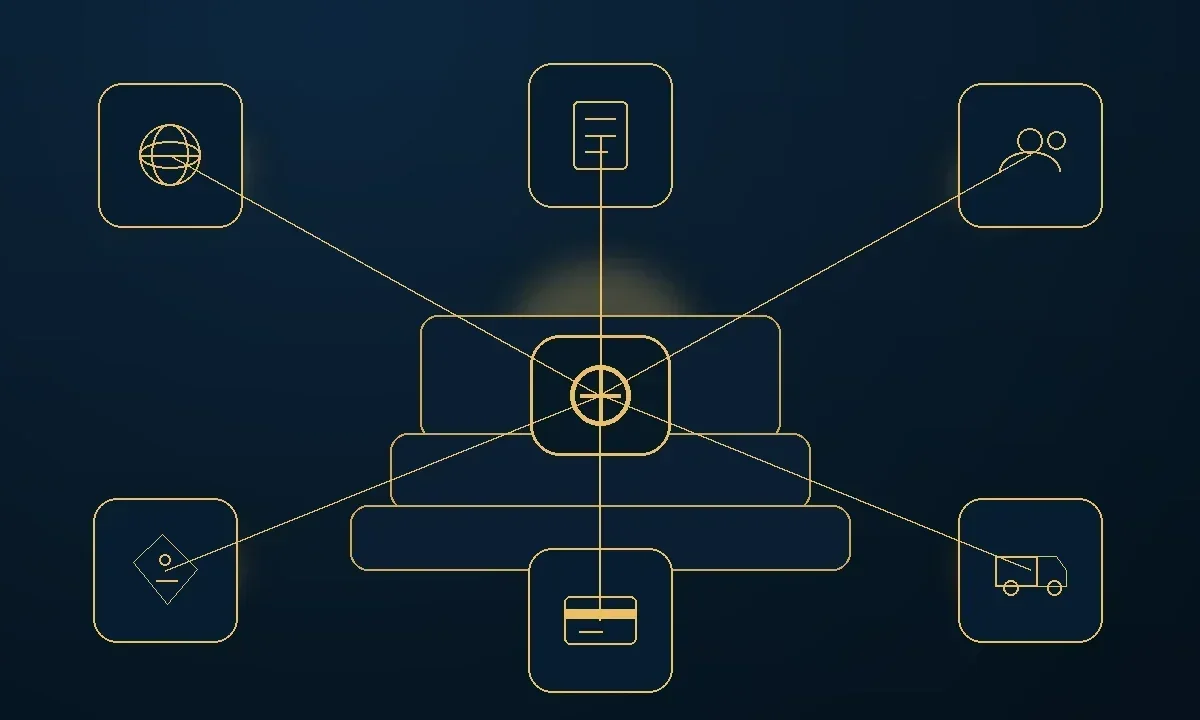
Export infrastructure does not necessarily mean building a large department or making heavy investments. It means creating a coordinated set of tools and processes that can carry a commercial opportunity from first contact through negotiation, sampling, contracting, delivery and repeat orders.
Presentation and credibility
A multilingual website, company profile, catalogue, technical specifications, real images, reference projects and a corporate email address should allow a buyer to assess the company before the first meeting.
A clear commercial offer
The buyer should know exactly what is offered, under which specifications, minimum order, delivery time and commercial terms. A general factory introduction is not a substitute for a specific offer.
Defensible landed pricing
An export price is more than the ex-factory price. Packaging, freight, insurance, documentation, customs, warehousing, commission, service and payment risk must be included.
Lead registration and follow-up
Every contact, meeting, sample request and quotation should be recorded in a structured database. Without that discipline, valuable opportunities are lost after an exhibition or a change in sales staff.
These foundations should be prepared before broad promotion begins. More leads without the ability to respond do not create sales; they damage credibility. Export development and commercial research also produce better results when these basics are defined from the start.
2. Local Presence: the Missing Link for Many Exporters
Local presence does not always mean renting an office and hiring a full team. At the initial stage it may take the form of a reliable representative, a commercial partner, a local telephone number, regular market visits or a person responsible for daily follow-up. The essential point is that the buyer has access to a responsive contact within or close to the market.

A representative or partner must do more than forward messages. They should collect market feedback, classify prospects, identify the right follow-up time, arrange meetings and report the actual obstacles—price, standards, packaging, payment or delivery. That is why commercial representation is valuable only when it is supported by reporting, performance indicators and a customer database.
3. Successful Export Begins Inside the Factory
This part is straightforward: the product must have reasonably consistent quality, repeatable specifications, realistic delivery capacity, transport-ready packaging, clear technical information and a responsible contact person. A company that changes its price, delivery time or specifications from one conversation to the next cannot retain market confidence, even with strong marketing.
- Define the product or product group suitable for export
- State realistic capacity and delivery times
- Prepare samples, packaging and technical information
- Assign responsibility for replies and price approval
4. Market Selection Must Not Be Based on Hearsay
Statements such as “Dubai is a trade hub,” “Türkiye is a large market,” or “Armenia is close” are only starting points. Export decisions must be based on product–market fit. At minimum, six questions should be answered for each destination:
- Who is the real buyer: importer, distributor, retailer, manufacturer or end user?
- What is the final cost after freight and market-entry expenses?
- What advantage does the local or foreign competitor have?
- Which standard, licence, label or document is required?
- How will payment and collection be handled?
- Can the company provide follow-up, service and repeat supply?
The answers should lead to an “entry hypothesis”: which product, for which customer group, with what message and through which channel. That hypothesis should then be tested at limited scale. This is where export infrastructure and local presence meet.
5. Armenia: Suitable for Beginning a Regional Presence
Armenia can be a practical environment for Iranian companies that want to begin a planned regional presence—especially when the objective is not merely to ship goods, but to learn market-building through visits, direct negotiation, buyer identification and adjustment of the commercial offer.
Geographic proximity, relatively practical travel and the importance of personal relationships can make market testing and face-to-face follow-up more manageable. Armenia’s membership in the Eurasian Economic Union also creates a relevant regional context, but it does not provide automatic access for every Iranian product to every member market. Rules of origin, tariffs, standards, transport and contracts must be checked product by product.
A sensible route often begins with a buyer database, targeted outreach, field visits, samples, cooperation with a representative or partner, and gradual expansion. The Armenia market page and the article Armenia as a Regional Business Gateway provide complementary perspectives.
6. Türkiye: a Large, Professional and Competitive Market
Türkiye is both a major consumer market and a strong manufacturing base. Iranian companies should not assume that proximity or a lower production price is enough. In many industries, Turkish companies have advanced capabilities in design, packaging, distribution, response speed and connections with European markets.
Effective entry normally requires a clear advantage: a specialised product, differentiated quality, access to raw material, production flexibility, competitive landed cost or the ability to supply a specific part of a value chain. Technical requirements and product-safety controls must also be reviewed before serious negotiations begin.
A local partner or distributor should be selected according to sales network, track record, geographic coverage and reporting ability—not merely promises. The Türkiye market page provides additional context.
7. Dubai and the UAE: Regional Visibility, Business Networks and a Test of Brand Credibility
Dubai is not only a consumer market. Much of its value comes from networking, logistics, free zones, re-export and access to businesspeople from many countries. This creates visible opportunities, but also high competition for attention and higher costs of presence.
Before taking on fixed expenses, a company must define its objective: selling within the UAE, finding a distributor, attending exhibitions, establishing a company, warehousing and re-exporting, or using Dubai to develop relationships with other markets. Each objective requires a different financial model, licence and execution route.
Professional brand presentation, fast response, accurate documents, suitable samples, English-language negotiation and verifiable credibility matter greatly in Dubai. Weaknesses in website, catalogue, pricing and follow-up become visible quickly. Demand should be tested through targeted meetings, representation, exhibitions or a pilot project before an office or warehouse is established. The article Business Opportunities between Armenia and UAE/Dubai explores another angle of this regional connection.
8. Why an Exhibition Alone Does Not Build Export
An exhibition is a contact-generation tool, not a sales guarantee. Its result depends largely on the work done before and after the event. Target prospects should be identified and invited in advance. During the event, contact details, needs, products of interest and the next action must be recorded. After the event, follow-up needs a schedule and an owner.
Targeting
Select prospects, invite them, prepare samples and offers.
Data capture
Record needs, importance, decision-maker and next action.
Follow-up
Send tailored offers, maintain contact and report outcomes.
Without a database and follow-up process, business cards and exhibition conversations quickly become scattered. Without local presence or representation, many negotiations stop between two trips.
9. Export Branding: Building Trust Before the First Order
A foreign buyer evaluates not only the product, but also the risk of working with the company. Visual consistency, real photography, packaging, corporate domain and email, translation quality, response speed, contract samples and price presentation all communicate whether the business is organised and dependable.
Export branding does not necessarily mean expensive advertising. Improving a catalogue, defining products clearly, presenting real projects and creating a market-specific landing page may be more effective than broad promotion. The brand promise must remain consistent with operational capacity.
10. Export Marketing Must Be Continuous
A foreign market is not built through a short campaign. A buyer may not need the product today, budgets may be released in another season or approval may involve several people. The company therefore needs regular visibility and professional, non-intrusive follow-up.
- Update the website and publish specialised content
- Use LinkedIn and business directories selectively
- Build, clean and segment the prospect database
- Send relevant proposals rather than mass generic messages
- Conduct regular meetings and visits with local support
- Report monthly on contacts, negotiations, samples and orders
11. Common Mistakes Made by Iranian Businesses
- Depending on one intermediary and losing direct access to the market
- Sending one generic catalogue to every country and customer
- Quoting prices without calculating the delivered cost
- Confusing information requests with real demand
- Abandoning a prospect after one or two follow-ups
- Creating an office, warehouse or fixed cost before testing demand
- Failing to assign ownership for replies and negotiation records
- Stopping marketing after the first order or the first setback
12. A Practical Roadmap for Building an Export Market
- Assess readiness: Review product, capacity, documents, pricing, payment and logistics.
- Select a market and customer segment: Prioritise one country and one customer group, rather than many markets and products at once.
- Prepare sales tools: Complete the website, catalogue, samples, company profile and quotation template.
- Build a database: Classify companies by activity, size, purchase probability and decision-maker.
- Test the market: Run outreach, meetings, sampling and limited offers, and record real feedback.
- Create proportionate local presence: Choose representation, partnership, regular visits or local response capacity according to test results.
- Expand gradually: Only after repeat demand appears should investment in office, warehouse, sales staff or distribution be considered.
This roadmap shows why export does not begin with a sale; sales are the result of coordinated work. Companies that first build infrastructure and then create a dependable local presence are more likely to turn scattered contacts into a sustainable market.
Conclusion
Armenia, Türkiye and Dubai can all create opportunities for Iranian businesses, but their roles and entry models are different. Armenia can support practical regional experience, closer contact and market testing. Türkiye requires differentiation, technical discipline and real competitiveness. Dubai tests professional presentation, networking, credibility and a clearly defined commercial objective.
In all three routes, the first sale is neither the end nor the real beginning. The real beginning is the point at which a company can collect market intelligence, refine its offer, follow up with buyers and remain ready for the next order.
Selected Official Resources
Discuss the next step for your business
Share your product or service, target customer and current challenge so we can assess the fit and a relevant next step.
On this page
- 1. Foundational Infrastructure Required for Export
- Presentation and credibility
- A clear commercial offer
- Defensible landed pricing
- Lead registration and follow-up
- 2. Local Presence: the Missing Link for Many Exporters
- 3. Successful Export Begins Inside the Factory
- 4. Market Selection Must Not Be Based on Hearsay
- 5. Armenia: Suitable for Beginning a Regional Presence
- 6. Türkiye: a Large, Professional and Competitive Market
- 7. Dubai and the UAE: Regional Visibility, Business Networks and a Test of Brand Credibility
- 8. Why an Exhibition Alone Does Not Build Export
- Targeting
- Data capture
- Follow-up
- 9. Export Branding: Building Trust Before the First Order
- 10. Export Marketing Must Be Continuous
- 11. Common Mistakes Made by Iranian Businesses
- 12. A Practical Roadmap for Building an Export Market
- Conclusion
- Selected Official Resources
